
The introduction of different technology throughout the years has surely made manufacturing more efficient, but has additionally cut down on manufacturing employment opportunities. However, 3D printing may be able to make up for the jobs it takes away, by offering a large amount of new jobs. More start-ups are forecasted to come about, and once blue-collar workers will become white-collar workers as they will be working with technology instead of hard labor.
3D printing is also referred to as additive manufacturing. The actual process is quite simple. The manufacturer uses a 3D computer design program to create a digital model, which then during the print process prints out into many thin layers of material until the product is complete.
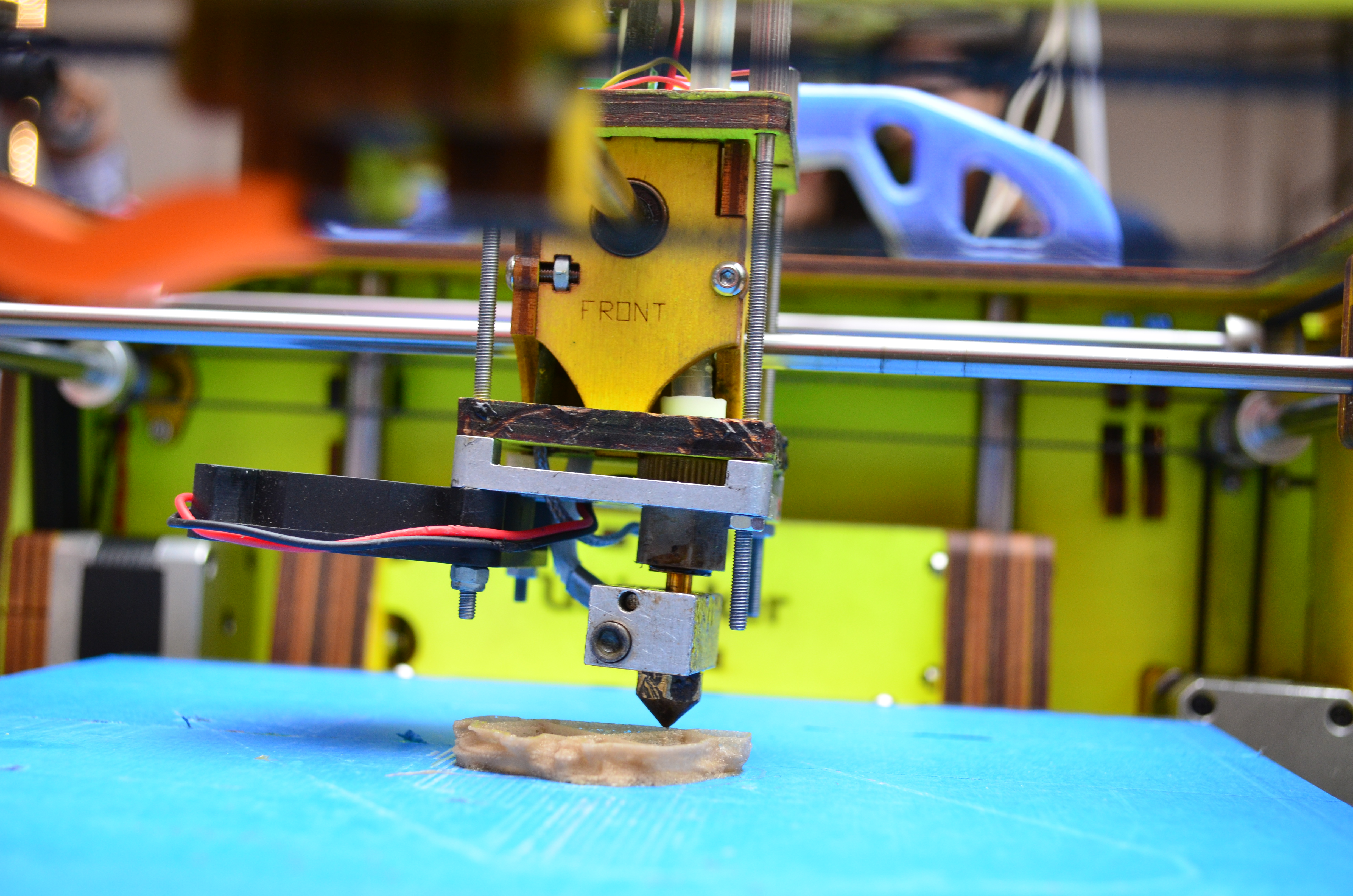
The possibilities are endless, as at this point in time people have successfully developed items from motorcycle parts to musical instruments.
People have even utilized 3D printers to develop synthetic food- imagine printing your own food at home! A couple other notable creations made from 3D printing include guns, organs, prosthetic limbs, and even bicycles. Additionally, since products are being developed by raw data, it is then assumed that that raw data can be shared with others so that they too, could print out the same exact item.
So, the question is, where does this leave the manufacturing industry? Well, it could either be utilized or ignored. If utilized it could probably save a lot of time, despite the cost of development per unit being slightly higher.
Unfortunately, it has been said that 3D printing will do to the manufacturing industry what pirating has done to the music and entertainment industry. Since people can simply share the raw data of whichever item they have, people can easily duplicate items, leaving the manufacturing industry in a bit of a rut.
Just like it’s hard to keep a song from being illegally downloaded, it will be difficult to monitor who is printing what. But it appears it will be a long time before we see 3D printers replace mills, welding machines, presses or any kind of high volume production. The truth is, it will be years before 3D printing becomes the standard in the manufacturing industry- and even then you aren't replacing the employees, but instead they are learning a different skill set that will advance the United States.
Mass cheap manufacturing from China won’t be necessary anymore and will most likely help the economy, and it will additionally create more jobs than it removes.
3D printing may be the future, but manufacturing is part of the past, future, and present.

