
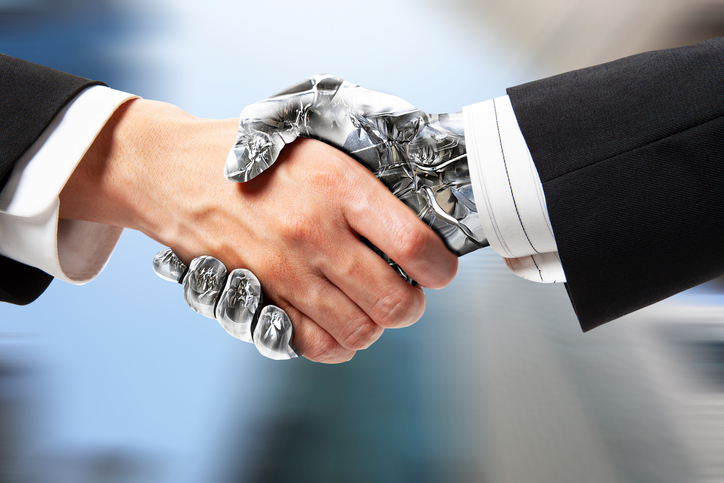
The field of AI, with its underlying components of machine learning and deep learning, has made huge strides in recent years. As we get a deeper understanding of the human brain, the more we can improve machine learning algorithms. The human brain is no longer the primary model for AI; however, human beings still play a huge part in making AI applications smarter and more accurate.
A Long Way to Go
When it comes to machine learning, we’ve come far, but still have a long way to go. Today’s AI algorithms have allowed machines to do complex human-like tasks with an incredible level of accuracy. However, there are instances where these smart machines have fallen short of expectations and delivered some ridiculously inaccurate results. The following are the ways humans are shaping machine learning.
Providing the Data Needed for Machine Learning
Today’s machine learning algorithms can learn and improve their intelligence thanks to data made available to them. Have you seen those new AI driven assistants that have been the hottest topic in tech conferences lately? Some of them have become so talented that they are even able to mimic human assistants and have near perfect natural speech. AI focused companies like Google and Apple have been collecting and analyzing terabytes of human data sourced from their platforms to feed the machine learning algorithms.
A Product of Programmers
Have you noticed the push towards data science training coupled with code-writing in tech circles? You’ve probably come across several discussions and events around the field of AI in your daily adventures. AI is one of the hottest topics right now as companies and even countries race to outdo each other to create the most intelligent programs. Human programmers are shaping the field of modern machine learning by engineering more refined algorithms that can crunch insane amounts of data with incredible levels of efficiency, leading to better outputs.
Humans Teach Machines Problem Solving
One of the areas where machines can benefit massively from humans is problem-solving. We’ve made significant strides from the early days, when programmers gave machines a set of scenarios and demonstrated the solutions. Today's highly intelligent self-learning machines are pretty much capable of training themselves.
However, some problems remain either too complicated or too critical to be left to machines alone. Take the case of self-driving cars as an example. Even though computing modules using a slew of sensors can learn to perceive and adapt to road conditions, there is a lot of human input involved in training these algorithms to solve problems associated with normal driving. This is especially true at this pioneering stage, when there is little prior data to work with.
Ethical Considerations-Humans Shape Machine Learning
As much as AI enthusiasts would love to see machines become more and more intelligent, remain ethical considerations still remain. The question still stands as to how far we can go with machine intelligence. We may not get to the highly dramatized machine Armageddon we’ve seen portrayed in movies, but left unchecked, machine learning can and will have some devastating effects on human life. This could be in shape of lost jobs, accidents, unfair profiling, fraud and impersonation, and more.

